

UK shop prices drop as food inflation soars, British Retail Consortium reports
UK shop prices experienced a dip in February, as heavy discounting across the retail sector partially absorbed the sting of elevated grocery costs. The Shop Price Index from the British Retail Consortium (BRC) indicated that overall shop prices decreased by 0.7 per cent year-on-year last month, matching January's decrease, buoyed by a significant 2.1 per cent reduction in non-food prices, as reported by City AM. Helen Dickinson, Chief Executive of the BRC, noted that "Discounting is still widespread in fashion as retailers tried to entice customers against a backdrop of weak demand," reflecting the aggressive tactics adopted to stimulate consumer interest. Such discounting contributed to a 2.6 per cent climb in retail sales during January – significantly surpassing the 12-month average growth of 0.8 per cent. Nevertheless, February's sales flattened out despite continued price cuts, underscoring the "much reported and very concerning long-term decline in the UK high street," according to Sophie Michael, Head of Retail and Wholesale at BDO. In addition, Neil Bellamy, Consumer Insights Director at NIQ GfK, remarked that the cost-of-living crisis, which is "struggling with a cost-of-living crisis that is far from over," continues to affect consumer confidence negatively. Inflation has been pouring into breakfast tables, with food inflation ticking up to 2.1 per cent year-on-year this February following upticks in the prices of staples like butter, cheese, and eggs. Dickinson cautioned that inflation is "likely to rise" throughout the year due to an imminent £5bn surge in expenses for retailers and overarching geopolitical tensions, forecasting a four per cent hike in food prices by year-end. Mike Watkins, Head of Retailer and Business Insight at NielsenIQ, commented: "With many household bills increasing over the next few weeks, shoppers will be looking carefully at their discretionary spend and this may help keep prices lower at non-food retailers. Ofgem has already announced a higher energy cap from April, with prices set to rise by £9.25 monthly due to a spike in wholesale prices." He added, "However, the increase in food inflation is likely to encourage even more shoppers to seek out the savings available from supermarket loyalty schemes."

DFS upgrades profit expectations as credit deals and new products spur demand
Cost savings, interest free credit options and changes to product ranges have helped furniture retailer DFS to upgrade full year profit expectations. New interim results for the Doncaster-based chain, which has about 115 stores across the UK and Ireland, show reported pre-tax profits leapt from £15.8m in the 26 weeks to the end of December 2024, compared with just £900,000 in the same period of 2023. Underlying pre-tax profit was £17m, up from £8.2m the year before. DFS made the gains despite revenue falling 0.1% during the period to £504.5m, which was due to use of interest free credit offers to entice customers. Gross sales were up 1.4% to £675.6m. Bosses said product innovation and partnerships with brands such as La-Z-boy had pleased customers and range changes across the firm's Sofology brand - acquired in 2017 - had driven higher order volumes. Order intake growth was 10.1% in a market said to be in slight decline. Meanwhile cost saving efforts meant the business is on track to make £50m annualised savings by its 2026 financial year. Tim Stacey, DFS group CEO, said falling interest rates will reduce interest free credit costs, helping the firm on its way towards its gross margin target and pre-pandemic level of 58%. He also said falling interest rates would help demand - which is about 20% below pre-pandemic levels - to recover thanks to more house sales. The performance means DFS has upgraded expectations of profit before tax and brand amortisation to between £25m and £29m, providing there is no further supply chain disruption of the type experienced in the Red Sea. Mr Stacey said: "Our improved profit performance in the first half is testament to the strength of our customer proposition, the dedication of our colleagues and our collective focus on operational excellence, evidenced through increased market shares and customer satisfaction scores.
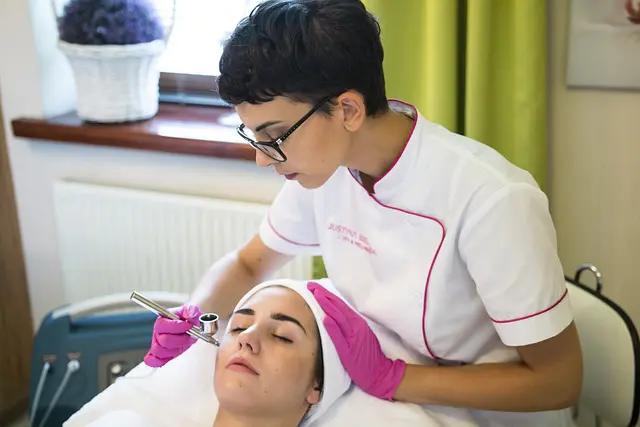
Transforming the Beauty Industry: The Fusion of Science, Ecology, and Self-Expression
Millie Ross
The world of beauty is undergoing a radical transformation, moving beyond traditional makeup and skincare to incorporate cutting-edge technology, environmental consciousness, and personal flair in innovative ways. As a beauty enthusiast and influencer, it's crucial to stay abreast of these trends, grasping not just the latest products but also the philosophies that are driving these shifts. This piece delves into the trends that are currently reshaping and will continue to influence the beauty sector, examining how scientific and technological breakthroughs are revolutionizing skincare and cosmetics, the increasing focus on sustainability, and the evolution of beauty into an inclusive and personalized form of self-expression. 1. The Intersection of Science and Beauty The beauty industry is now more integrated with health and wellness, with skin health becoming a top priority. This change is driven by the recognition that skin is a crucial organ that requires care, nourishment, and scientifically-backed solutions for peak health. The Rise of Minimalist Skincare The minimalist skincare philosophy, known as skinimalism, is gaining popularity. This approach advocates for a more streamlined skincare routine, emphasizing the importance of fewer, more potent products that not only improve appearance but also promote healthy, radiant skin that looks and feels exceptional. Many brands are now focusing on products that tackle multiple skin concerns at once. Consider serums that offer hydration, brightening, and protection in a single application, or moisturizers that combine SPF and anti-aging benefits. This holistic approach to beauty, merging skincare and makeup, is redefining our beauty routines. Innovations in Dermatology Groundbreaking advancements in dermatology are propelling the beauty industry forward. Innovations include products that are compatible with the skin's microbiome, personalized serums, and anti-aging solutions, providing more sophisticated options than ever. Advances in dermatology and biotechnology have led to products that address the root causes of skin issues, not just the symptoms. Ingredients such as peptides, stem cells, and retinoids are now widely used, scientifically proven to increase collagen production, reduce fine lines, and promote a youthful appearance. Additionally, AI is being used to create personalized skincare routines, empowering consumers to make more informed decisions about their beauty regimens. 2. Sustainability: The Eco-Beauty Revolution As awareness of the environmental impact of consumer choices grows, sustainability has become a key aspect of the beauty industry's transformation. Sustainable beauty encompasses ethical sourcing, cruelty-free practices, and the carbon footprint of production processes, extending beyond packaging considerations. Eco-Conscious Packaging The beauty industry has made significant strides towards eco-friendly and recyclable packaging. Brands are seeking alternatives to plastic, exploring glass, bamboo, or biodegradable materials, and some are introducing refillable systems to reduce waste. Industry leaders like L’Oréal and Unilever are committed to reducing their carbon footprint and adopting sustainable packaging. This trend is particularly evident in skincare, with brands moving towards biodegradable tubes, recyclable glass jars, and utilizing organic materials for packaging. The Clean Beauty Movement The clean beauty movement is a significant part of this sustainability shift. Consumers are demanding transparency, and brands are responding by eliminating controversial ingredients such as parabens, sulfates, and phthalates. There's a growing focus on plant-based and natural formulations. This movement also includes ethical sourcing, with many brands sourcing from sustainable farms and supporting fair trade. The emphasis on ethical production extends to cruelty-free testing, with transparency becoming a consumer expectation. Mitigating Carbon Footprint Some brands are proactively offsetting their carbon footprints by investing in renewable energy or tree planting initiatives. These actions are part of a broader trend to align with global sustainability goals, aiming to minimize environmental impact and contribute to climate action. 3. Beauty as an Expression of Identity and Inclusivity Beauty has always been a form of self-expression, but it has evolved into a more inclusive and empowering platform where individuals can celebrate their unique identities. Beauty is now about embracing diversity, celebrating differences, and encouraging free self-expression.

Bollywood celebrity Saif Ali Khan was the victim of a home invasion in Mumbai, where he was stabbed by an intruder.
Linda Jones
View images in the App to save up to 80% data. Bollywood actor Saif Ali Khan attended the trailer launch of his film Tanhaji in Mumbai, India, on November 19, 2019. (AP Photo/Rafiq Maqbool, File) MUMBAI, India (AP) — Bollywood star Saif Ali Khan suffered injuries from a stabbing by an unauthorized person who entered his home early Thursday. He has been admitted to a medical facility for an operation. The actor, aged 54, was rushed to a hospital from his Mumbai home, which is also home to his actress wife, Kareena Kapoor, and their two children. A physician from Lilavati Hospital in Mumbai, as per Press Trust of India, mentioned that out of the six injuries sustained, two were critical, with one particularly close to his spinal column. Media in India have reported that the intruder entered Khan's home around 2:30 a.m. and fled the scene after the attack. A female employee at Khan's residence was also injured during the incident and is receiving treatment, as stated by the police. Law enforcement is currently investigating the incident and searching for the perpetrator. In a public statement, Kapoor, Khan's wife, reassured that the family is coping well and asked for patience from the media and fans, requesting no further speculation while the police are in the midst of their inquiries. Khan, who is also a film producer, has been featured in around 70 films and TV series. He is the son of Mansur Ali Khan Pataudi, a former Indian cricket team captain, and Bollywood star Sharmila Tagore. Throughout his career, he has received numerous awards for his work in Hindi cinema, including seven Filmfare Awards. In 2010, he was awarded the Padma Shri, India's fourth highest civilian honor.
UK shop prices drop as food inflation soars, British Retail Consortium reports
DFS upgrades profit expectations as credit deals and new products spur demand
Transforming the Beauty Industry: The Fusion of Science, Ecology, and Self-Expression
Millie Ross
Bollywood celebrity Saif Ali Khan was the victim of a home invasion in Mumbai, where he was stabbed by an intruder.
Linda Jones
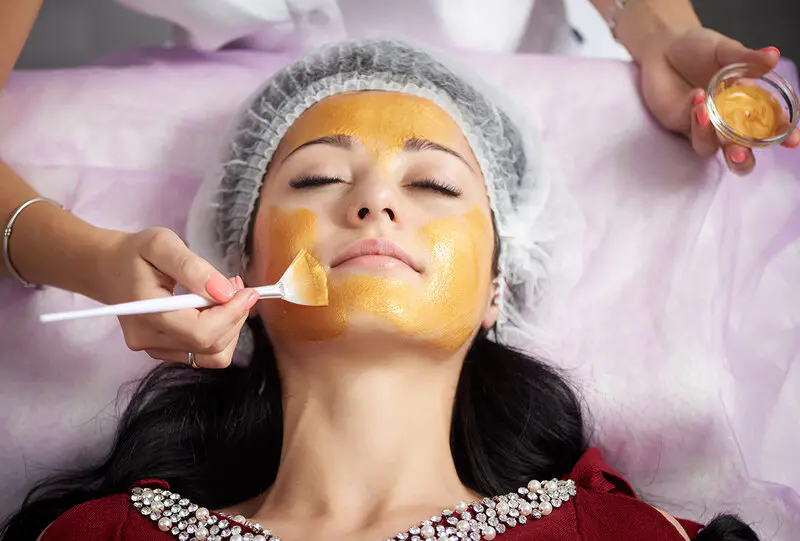
Embrace the Glow: Crafting Your Own Turmeric Facial Mask
Vivienne Turner

Turkish restaurant Longa expands with second venue in Cardiff

On the Beach sees continued travel demand as summer bookings soar

Historic department store Jolly's in Bath to reopen

Shoe retailer Office doubles profit to over £100m as it creates hundreds of jobs

Gousto to take on Hellofresh in major expansion as it creates dozens of new jobs

Mastering Skincare in Humid Conditions: A Guide for Acne-Prone Individuals
Theo Rivera
As the weather shifts to a more damp and rainy state, it can pose specific challenges for skin care, particularly for those with acne-prone skin. The rise in humidity and airborne pollutants can intensify skin problems, possibly resulting in blocked pores and acne flare-ups. To maintain your skin's freshness and health throughout the rainy season, it's crucial to adjust your skin care regimen. This guide provides comprehensive strategies and insights for managing skin care during wet weather to help prevent acne. Does Rain Impact Acne? Rain itself is not the primary cause of acne, but it can contribute to conditions that may worsen acne for some. The increased humidity from rain can boost the skin's oil production. This excess oil, combined with sweat and dirt, can lead to clogged pores and subsequent acne breakouts. Moreover, rainwater may contain pollutants and bacteria that can irritate the skin and provoke acne. By tailoring your skin care routine to account for these factors, you can lessen their effects and preserve clear skin. Skincare Tips for Clear Skin on Rainy Days To prevent acne during rainy days, consider the following detailed advice: Daily Cleansing with a Mild Cleanser Cleaning your face twice daily is key to removing accumulated dirt, oil, and pollutants, thus preventing clogged pores. Select a mild cleanser that suits your skin type. For those with oily skin, a foaming or gel cleanser may be fitting, while those with dry or sensitive skin might opt for a creamy or hydrating cleanser. A thorough yet gentle cleansing routine will help protect your skin's natural barrier. Select a Non-Comedogenic Moisturizer Moisturizing is essential for maintaining skin health, even on rainy days. Choose a non-greasy, oil-free moisturizer to keep your skin hydrated without causing pore blockage. Ingredients like hyaluronic acid, glycerin, and aloe vera provide hydration without adding excess oil. Apply a Broad-Spectrum Sunscreen Sunscreen is an essential part of any skincare routine, regardless of the weather. UV rays can penetrate clouds and rain, leading to skin damage. Apply a broad-spectrum sunscreen with an SPF of at least 30 to protect your skin from UVA and UVB rays. Choose a non-comedogenic formula to avoid clogging pores. Choose Non-Comedogenic Makeup Higher humidity can increase the risk of clogged pores and breakouts. Non-comedogenic makeup products are designed to prevent pore blockage. Look for products that are labeled as oil-free and non-comedogenic. Utilize Oil-Absorbing Sheets High humidity can make your skin appear oily. Oil-absorbing sheets or blotting papers can help control excess oil throughout the day. Gently press the sheet against your skin to absorb oil without disturbing your makeup. Keep Hair Away from Your Face Rain can make your hair damp and dirty, potentially transferring oil and dirt to your face. Keeping your hair pulled back or using a headband can prevent this transfer. This simple step can help reduce breakouts and keep your skin clean. Maintain Hydration Staying hydrated is crucial for skin health. Drink plenty of water to keep your skin hydrated from the inside out. Proper hydration helps maintain a healthy complexion and prevents dryness or flakiness. Rainy Day Skincare Avoidances To avoid acne during rainy weather, avoid the following: Avoid Heavy, Oil-Based Moisturizers Heavy moisturizers can clog pores, especially in humid conditions. Opt for lightweight, non-comedogenic moisturizers to keep your skin hydrated without causing breakouts. Avoid Touching Your Face Rainy conditions can be muddy, and touching your face with dirty hands can transfer bacteria and dirt, potentially
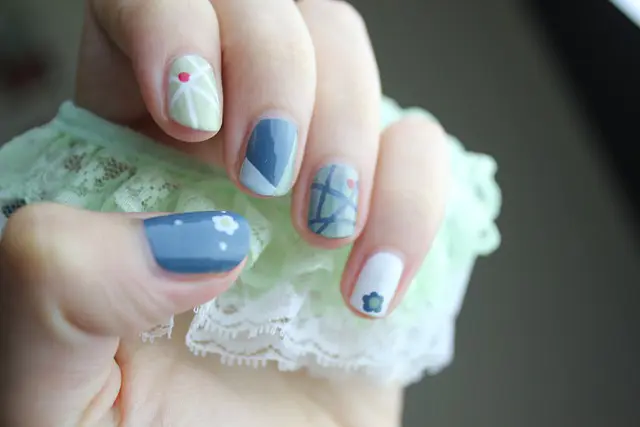
Elevate Your Radiance with Scientific Skin Care: Strategies for a Luminous Skin
Reagan Sullivan
Attaining a luminous complexion is a beauty aspiration for many. While genetics may play a part, the majority of skin's glow can be achieved through diligent skincare routines. It's possible to have bright and clear skin without an elaborate regimen or costly products. Instead, a straightforward yet strategic skincare routine paired with healthy lifestyle choices can significantly improve your skin's appearance. This article offers practical, science-backed skincare advice to refine your beauty regimen. Whether you're new to skincare or seeking to enhance your current practices, these tips will guide you towards healthier and more luminous skin. 1. Comprehending Your Skin: The Foundation of Effective Skincare Before delving into specific recommendations and products, it's crucial to recognize your skin type and its particular requirements. Elements such as genetics, age, environment, and lifestyle all influence your skin's traits. The more you understand your skin, the more effectively you can select products and tailor your routine to it. 1.1 Determining Your Skin Type The initial step in crafting a skincare routine is to ascertain your skin type. The primary skin types are oily, dry, combination, sensitive, and normal. Recognizing your skin type assists you in choosing suitable products that cater to your skin's needs without causing irritation or discomfort. Oily skin: Characterized by active oil glands, resulting in a shiny appearance, large pores, and frequent breakouts. Dry skin: Lacking in hydration, leading to a rough texture, flaky patches, or a dull look. Combination skin: Exhibits both oily and dry regions, often with an oily T-zone and dry cheeks. Sensitive skin: Easily irritated by products or environmental factors, susceptible to redness, stinging, or adverse reactions. Normal skin: Well-balanced, neither excessively oily nor dry, with minimal imperfections. Once you've identified your skin type, you can more precisely select which products and ingredients are most beneficial for your skin. 2. Crafting a Personalized Skincare Routine A skincare routine doesn't need to be intricate to be effective. Consistency and the correct application of products in the proper order are key. A fundamental skincare routine typically involves three essential steps: cleansing, moisturizing, and sun protection. You can further enhance this routine by incorporating targeted treatments based on your specific skin concerns. 2.1 Daily Cleansing Cleansing is the initial and most critical step in any skincare routine. It aids in removing dirt, oil, makeup, and impurities that accumulate on your skin daily. The objective is to select a mild, non-abrasive cleanser that cleanses your skin effectively without disrupting its natural moisture barrier. Tip: Consider a gentle gel or cream cleanser in the morning to refresh your skin, and an oil-based or balm cleanser at night to remove makeup and impurities. For oily skin, contemplate a foaming or salicylic acid-based cleanser for deep pore cleansing. 2.2 Balancing with Toner Toners assist in rebalancing the skin's pH and prepare it for better absorption of subsequent products. While traditionally focused on oil removal, modern toners offer a variety of benefits, from hydration to pore refinement. Tip: Look for toners containing hyaluronic acid for hydration, niacinamide for soothing effects, or witch hazel for pore tightening. Avoid alcohol-based toners, as they can dry out the skin. 2.3 Exfoliation with Caution Exfoliation is crucial for maintaining skin smoothness and removing dead skin cells that contribute to a dull complexion. However, over-exfoliating can damage the skin's barrier and cause irritation. The aim is to find the right balance. Tip:

Harnessing the Essence of Simplicity for Radiant Skin: The Minimalist Skincare Philosophy
Stella Turner
In our modern era, where the array of skincare products seems to expand daily, it's easy to become daunted by the multitude of options available. Cleansers, toners, serums, and masks all clamor for attention, each claiming to offer the secret to flawless skin. However, amidst this cacophony, many individuals find themselves enmeshed in elaborate regimens that may not align with their skin's unique requirements. But could the secret to healthier skin be more straightforward than we've been led to believe? The minimalist skincare trend suggests that by concentrating on the essentials and paring down your routine to its most vital components, you can achieve more significant results. This method isn't about compromising on effectiveness; it's about making deliberate choices with your skincare products, selecting only what your skin genuinely requires. This article delves into the advantages of minimalism in skincare and provides guidance on crafting a streamlined, efficient routine that complements your skin's natural functions rather than opposing them. 1. Embracing the Minimalist Mindset: Deliberate Skincare Skincare minimalism transcends a fleeting trend; it's an ideology that advocates for prioritizing quality over quantity. By eliminating superfluous steps and products, minimalist skincare zeroes in on the fundamentals—those ingredients and products that cater to your skin's core needs. The concept is straightforward: with fewer products, there's a reduced likelihood of causing irritation, overwhelming your skin, or disrupting its equilibrium. By pinpointing the most potent products, you can nourish your skin with precisely what it needs, without unnecessary complexity. Core Tenets of Minimalist Skincare: Streamline your routine: Concentrate on a handful of high-quality products that synergize effectively. Emphasize effectiveness: Opt for ingredients with a proven history and steer clear of products laden with superfluous additives. Honor your skin's natural equilibrium: Overzealous cleansing, excessive exfoliation, and an abundance of active ingredients can compromise your skin barrier and interfere with its inherent processes. A minimalist regimen isn't about forgoing pleasurable products; it's about making informed decisions that address your skin's concerns. You may discover that your skin flourishes when given space to breathe and isn't overwhelmed by an excess of ingredients. 2. The Science of Minimalism: The Rationale for Simplicity While the skincare industry is often propelled by trends and novelties, it's crucial to remember that our skin isn't designed to handle an onslaught of products simultaneously. Our skin possesses a natural barrier, the stratum corneum, which is intended to protect and retain hydration, necessitating a delicate equilibrium. Overburdening Your Skin: The Drawbacks of Excessive Products When we incorporate too many products into our routines, we run the risk of overwhelming our skin's barrier. For instance: Destripping Skin's Natural Oils: Aggressive cleansing or potent actives (such as strong acids) can interfere with the skin's natural oil production, resulting in dryness, irritation, or breakouts. Cumulative Irritation: Layering multiple products with active ingredients can lead to irritation, redness, or sensitivity. Combining a potent exfoliant with a retinol serum can exacerbate skin sensitivity. Incompatible Ingredients: Certain ingredients can conflict when combined, leading to adverse effects. For example, mixing Vitamin C (an acid) with retinoids can provoke irritation or diminish their efficacy. By simplifying your routine, you enable your skin to operate optimally without being overextended. With fewer products, there's a lower chance of irritation, fewer ingredient clashes, and improved skin tolerance. The Skin Barrier: Preserving Its Integrity Your skin's barrier is a critical component of its defense system. A robust barrier prevents moisture loss, shields against irritants, and contributes to your skin's overall health. An over
Unveil Radiance: Creating a DIY Turmeric Facial Mask
Vivienne Turner
Step into the realm of organic beauty with a homemade Turmeric Facial Mask, a cherished secret from around the world. This mask is more than just a skincare ritual; it's a key to unlocking your skin's inner glow and vibrancy. Turmeric, the hero ingredient, is a potent antioxidant that fights against free radicals, delaying the signs of aging. Its anti-inflammatory and antibacterial properties are unmatched for calming inflammation, reducing blemishes, and fading acne scars. By adding this golden root to your beauty routine, you can significantly enhance your skin's health and vitality. 1. Mixing Your Golden Potion The adventure of making your own turmeric facial mask begins with selecting and combining specific ingredients. Combine finely milled turmeric powder, the velvety texture of yogurt, and the natural sweetness of honey. Yogurt's lactic acid softly exfoliates, while honey hydrates, creating a synergistic blend that addresses a variety of skin concerns. When selecting turmeric powder, opt for a smooth texture to prevent skin irritation. Use a clean brush to evenly distribute the mask across your face. Customize the ingredient proportions to cater to your skin's unique needs. This tailoring is what makes your homemade mask so effective, offering personalized benefits for your skin tone. Thought to Consider: You can modify the mask's consistency to your liking. A thicker application provides a more concentrated treatment. Cautionary Note: Be aware that turmeric can stain fabrics, so dress in old clothes or use a dark towel to prevent any staining. 2. Applying for Maximum Benefits To get the most out of your homemade turmeric mask, proper application is crucial. Begin by cleansing your face to clear away dirt and impurities. Then, apply the mask evenly with gentle, sweeping motions. Allow it to rest for approximately 15 to 20 minutes, giving the ingredients time to absorb and perform their magic. While waiting, enhance the experience with a facial massage. The soothing, circular movements are not only luxurious but also improve circulation, aiding in the absorption of the mask's nutrients. Focus on areas prone to tension, such as your forehead and jawline. This step transforms your routine into a self-care ritual that benefits both your skin and overall well-being. Thought to Consider: Apply the mask with upward strokes to combat gravity and achieve a more lifted appearance. Cautionary Note: Avoid the eye area to prevent irritation. 3. The All-Encompassing Benefits of Turmeric Facial Mask The benefits of a DIY turmeric facial mask are far-reaching. It's not just about an immediate glow; it's about fostering long-term skin health. Its antioxidant properties protect against environmental damage, while regular use can encourage collagen production, maintaining skin elasticity and a youthful appearance. This mask combats inflammation, manages acne, and bestows a radiant glow. Its antibacterial properties support clear, healthy skin. Whether you're addressing current concerns or preventing future ones, this natural solution provides a comprehensive skincare approach. Thought to Consider: For consistent results, use the mask twice a week without overwhelming your skin. Cautionary Note: Turmeric may temporarily color the skin, but this usually fades within hours. 4. Precautions on Staining and Allergies Before incorporating the turmeric mask into your routine, be mindful of potential staining, especially on light skin. Apply a barrier like petroleum jelly or moisturizer around your hairline and eyebrows to prevent this. Also, conduct a patch test to ensure no ingredients cause an allergic reaction, allowing you to adjust the mask to your skin's sensitivities for a safe and effective experience. Thought to Consider: Applying

Legendary Films with a Select Few Survivors
Jennifer Miller

Adam Scott, the leading actor in the series "Severance," has dismissed a popular fan theory about the enigmatic Lumon Industries, as fans eagerly await the release of season 2.
Elizabeth Miller

Fenwick launches Colmans Fish and Chips restaurant in latest foodie collaboration

The Worldwide Impact on Beauty: Cultural Skincare Rituals Shaping Modern Aesthetics
Oakley Shepherd

BabyCenter Forecasts Names to Decline in Popularity by 2025: Full List Inside
Patricia Jones

A contemporary reimagining of the classic 'Carmen' offers a new lens through which to view this timeless tale, though the protagonist's fate is still one of sorrow.
Jennifer Smith

Pets at Home share price soars as watchdog rumours spark interest from private equity

Gong Cha: Bubble tea brand to open 225 new UK stores in nationwide expansion
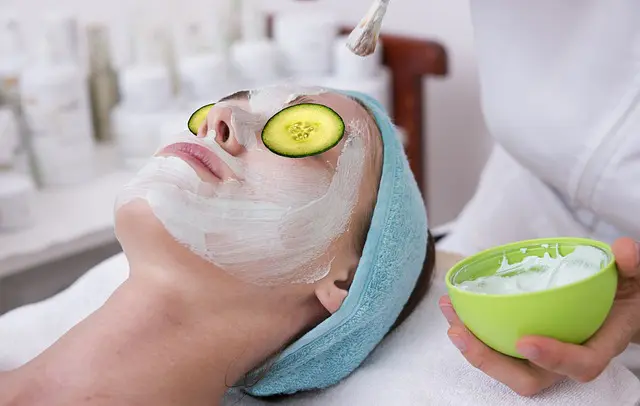
Embracing Green Initiatives in Fashion and Beauty: A Move Towards Environmentally Conscious Practices
Sienna Vaughn

Supermarkets see varied fortunes amid rising sales with Asda continuing to struggle

Fenwick says it has 'no plans for store closures' as it calls in restructuring experts
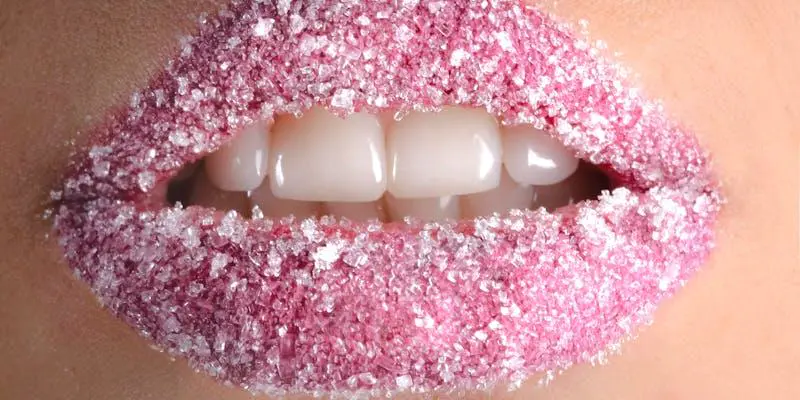
Discovering the Art of Enduring Lip Color and Plump Lip Enhancement
Esme Hernandez
Latest Articles

Celebrating the Essence of Holistic Beauty: Cultivating Radiance through Mind-Body Connection
Sawyer Tucker

Kate Moss, Ageless Elegance at 51
Michael Brown

Critics Decry "Harry Potter 8" as Substandard: 'Like Reading Fan Fiction'
James Martinez

Revolutionizing the Beauty Sector: Emerging Trends and Shifting Paradigms
Millie Ross

Deliveroo called 'underappreciated' after quitting Hong Kong as rivals 'muscle it out'

Embracing the Synergy of Beauty and Health for a Luminous Look
Nora Sanchez

Nurture Your Skin's Wellness: Discover the Ideal Body Wash for Your Skin
Aurora Cruz
The Global Influence on Beauty: How Cultural Skincare Practices Define Modern Trends
Oakley Shepherd

Ellen DeGeneres Showcases New Look on LA Outing Post-UK Relocation
Linda Rodriguez

Chad Duell Reflects on His Departure from General Hospital and the Potential for a Future Return
James Miller