Capturing the Essence of Effortless Beauty: The Art of Minimalist Skincare

In today's world, where the variety of skincare products is seemingly endless, it can be overwhelming to navigate the myriad of choices. From cleansers and toners to serums and masks, each product promises the key to perfect skin. Yet, amidst this noise, many find themselves entangled in complex routines that may not necessarily cater to their skin's individual needs.

But is the path to healthier skin simpler than we think? The minimalist skincare movement posits that by focusing on the essentials and reducing your routine to its core components, you can achieve more profound results. This approach isn't about sacrificing efficacy; it's about making intentional choices with your skincare, selecting only what is truly necessary for your skin.

This article explores the benefits of minimalism in skincare and offers advice on creating a streamlined, efficient routine that works in harmony with your skin's natural processes rather than against them.

1. Adopting the Minimalist Perspective: Intentional Skincare

Skincare minimalism is more than just a passing fad; it's a philosophy that champions quality over quantity. By trimming away unnecessary steps and products, minimalist skincare focuses on the basics—those ingredients and products that truly address your skin's needs.

The idea is simple: with fewer products, there's less chance of irritation, overwhelming your skin, or disrupting its balance. By identifying the most potent products, you can nourish your skin with exactly what it needs, without unnecessary complications.


Foundational Principles of Minimalist Skincare:

  • Simplify your routine: Focus on a select few high-quality products that work well together.
  • Prioritize effectiveness: Choose ingredients with a proven track record and avoid products filled with unnecessary additives.
  • Respect your skin's natural balance: Over-washing, over-exfoliating, and an overload of active ingredients can compromise your skin barrier and interfere with its natural functions.

A minimalist regimen isn't about abandoning enjoyable products; it's about making informed decisions that address your skin's concerns. You might find that your skin thrives when given the chance to breathe and isn't burdened by an excess of ingredients.


2. The Logic Behind Minimalism: The Case for Simplicity

While the skincare industry is often driven by trends and novelties, it's important to remember that our skin isn't designed to handle a barrage of products at once. Our skin has a natural barrier, the stratum corneum, which is meant to protect and retain moisture, requiring a delicate balance.


Overloading Your Skin: The Pitfalls of Too Many Products

When we include too many products in our routines, we risk overwhelming our skin's barrier. For example:


  • Stripping Skin's Natural Oils: Aggressive cleansing or potent actives (such as strong acids) can interfere with the skin's natural oil production, leading to dryness, irritation, or breakouts.
  • Cumulative Irritation: Layering multiple products with active ingredients can result in irritation, redness, or sensitivity. Combining a potent exfoliant with a retinol serum can increase skin sensitivity.
  • Incompatible Ingredients: Certain ingredients can clash when combined, leading to adverse effects. For instance, mixing Vitamin C (an acid) with retinoids can cause irritation or reduce their effectiveness.

By simplifying your routine, you allow your skin to function optimally without being overstretched. With fewer products, there's a lower risk of irritation, fewer ingredient conflicts, and better skin tolerance.


The Skin Barrier: Maintaining Its Integrity

Your skin's barrier is a crucial part of its defense system. A robust barrier prevents moisture loss, shields against irritants, and contributes to your skin's overall health. An over

Nurture Your Skin's Wellness: Discover the Ideal Body Wash for Your Skin

Choosing the right body wash is essential for all skin types, be it dry, oily, or a blend of both. This in-depth guide will assist you in identifying the perfect body wash that addresses your skin's distinct requirements. Let's explore the critical factors to consider when making your selection. A body wash does more than just clean; it can also address a variety of skin concerns such as acne, body odor, eczema, and dermatitis. For example, a body wash with cortisone can help to reduce the symptoms of these conditions. When selecting a body wash, focus on your skin's needs rather than being swayed by marketing or trends. Here are some important points to remember: 1. **Dry Skin**: Choose body washes that include hydrating ingredients like shea butter, hyaluronic acid, ceramides, glycerin, avocado oil, and soybean oil. These ingredients assist in nourishing and protecting your skin's natural moisture barrier, leading to softer and smoother skin. 2. **Sensitive Skin**: Seek out products with calming ingredients such as chamomile, aloe vera, and oatmeal. Steer clear of harsh chemicals like sulfates, fragrances, and parabens, which can strip your skin of its natural oils. 3. **Oily Skin**: For oily skin, consider body washes with ingredients like benzoyl peroxide or salicylic acid. These ingredients help control oil production and prevent acne by clearing clogged pores. 4. **Mature Skin**: To improve skin texture and reduce the appearance of wrinkles, look for body washes that contain retinol. 5. **pH Balance**: Maintaining your skin's natural pH, which is between 4.5 and 5.5, is crucial for hydration, preventing bacterial growth, and preserving healthy lipids. Opt for a body wash that helps maintain this pH balance. 6. **Scent Preferences**: Certain scents can have invigorating effects, such as mint, peppermint oil, and eucalyptus. Research indicates that peppermint oil can boost cognitive performance and memory. Scents like rose, lavender, water lily, and sage can promote relaxation and sleep. 7. **Gender Considerations**: Body washes are formulated to cater to different needs. Men's products often have energizing scents and multi-purpose functions, while women's body washes concentrate on cleansing, hydration, anti-aging, and UV protection, often with more delicate ingredients. 8. **Shower Accessories**: Once you've identified a suitable body wash, consider adding a loofah, washcloth, or exfoliating mitt to your routine. These tools help distribute the wash evenly, clean hard-to-reach areas, and promote exfoliation, which is essential for removing dead skin cells and promoting skin renewal, resulting in radiant, smooth skin. In conclusion, body wash is a vital part of your daily routine if you're aiming for a product that enhances hydration, alleviates skin concerns, or simply provides a pleasant bathroom scent. By choosing a body wash with ingredients that are tailored to your skin's specific needs, you can enjoy a refreshed, relaxed, and invigorated experience. The guidelines provided will aid you in identifying your skin type and the key ingredients to look for in your next body wash.

Read more
Elevate Your Radiance with Scientific Skin Care: Strategies for a Luminous Skin

Attaining a luminous complexion is a beauty aspiration for many. While genetics may play a part, the majority of skin's glow can be achieved through diligent skincare routines. It's possible to have bright and clear skin without an elaborate regimen or costly products. Instead, a straightforward yet strategic skincare routine paired with healthy lifestyle choices can significantly improve your skin's appearance. This article offers practical, science-backed skincare advice to refine your beauty regimen. Whether you're new to skincare or seeking to enhance your current practices, these tips will guide you towards healthier and more luminous skin. 1. Comprehending Your Skin: The Foundation of Effective Skincare Before delving into specific recommendations and products, it's crucial to recognize your skin type and its particular requirements. Elements such as genetics, age, environment, and lifestyle all influence your skin's traits. The more you understand your skin, the more effectively you can select products and tailor your routine to it. 1.1 Determining Your Skin Type The initial step in crafting a skincare routine is to ascertain your skin type. The primary skin types are oily, dry, combination, sensitive, and normal. Recognizing your skin type assists you in choosing suitable products that cater to your skin's needs without causing irritation or discomfort. Oily skin: Characterized by active oil glands, resulting in a shiny appearance, large pores, and frequent breakouts. Dry skin: Lacking in hydration, leading to a rough texture, flaky patches, or a dull look. Combination skin: Exhibits both oily and dry regions, often with an oily T-zone and dry cheeks. Sensitive skin: Easily irritated by products or environmental factors, susceptible to redness, stinging, or adverse reactions. Normal skin: Well-balanced, neither excessively oily nor dry, with minimal imperfections. Once you've identified your skin type, you can more precisely select which products and ingredients are most beneficial for your skin. 2. Crafting a Personalized Skincare Routine A skincare routine doesn't need to be intricate to be effective. Consistency and the correct application of products in the proper order are key. A fundamental skincare routine typically involves three essential steps: cleansing, moisturizing, and sun protection. You can further enhance this routine by incorporating targeted treatments based on your specific skin concerns. 2.1 Daily Cleansing Cleansing is the initial and most critical step in any skincare routine. It aids in removing dirt, oil, makeup, and impurities that accumulate on your skin daily. The objective is to select a mild, non-abrasive cleanser that cleanses your skin effectively without disrupting its natural moisture barrier. Tip: Consider a gentle gel or cream cleanser in the morning to refresh your skin, and an oil-based or balm cleanser at night to remove makeup and impurities. For oily skin, contemplate a foaming or salicylic acid-based cleanser for deep pore cleansing. 2.2 Balancing with Toner Toners assist in rebalancing the skin's pH and prepare it for better absorption of subsequent products. While traditionally focused on oil removal, modern toners offer a variety of benefits, from hydration to pore refinement. Tip: Look for toners containing hyaluronic acid for hydration, niacinamide for soothing effects, or witch hazel for pore tightening. Avoid alcohol-based toners, as they can dry out the skin. 2.3 Exfoliation with Caution Exfoliation is crucial for maintaining skin smoothness and removing dead skin cells that contribute to a dull complexion. However, over-exfoliating can damage the skin's barrier and cause irritation. The aim is to find the right balance. Tip:

Read more
The Link Between Skincare and Emotional Health: The Reflection of Your Inner State on Your Skin

There has been a growing recognition of the intricate relationship between mental and physical well-being. However, one aspect that is often underestimated is the significant connection between our psychological health and the state of our skin. As a beauty specialist and a skincare aficionado, I've come to realize that our skin is not just a protective layer—it also mirrors our emotional state, stress levels, and overall mental health. In this piece, I delve into the intriguing link between skincare and mental health and discuss how acknowledging this bond can result in healthier and more luminous skin. The Skin-Mind Axis: Emotional and Stress Impacts on the Skin The skin and brain share a deep connection, originating from the same embryonic tissue. This link, referred to as the "skin-mind axis," indicates that psychological stress and emotions can have a direct impact on the skin. Here's how: Stress and Acne: Stress can trigger the release of cortisol, leading to increased sebum production. This can result in clogged pores and acne breakouts, often observed during periods of high stress such as during exams or demanding work projects. Anxiety and Skin Sensitivity: Anxiety can weaken the skin's protective barrier, making it more prone to irritation and redness. Stress can also worsen conditions like eczema and rosacea, creating a cycle of discomfort and increased self-consciousness. Depression and Skin Health: Depression can lead to a neglect of self-care, including skincare routines. Combined with poor sleep and nutrition, this can result in a dull complexion. Moreover, depression can slow the skin's natural healing processes, hindering recovery from damage. Emotional Trauma and Skin Issues: Research suggests that emotional trauma, such as grief or abuse, can provoke or worsen chronic skin conditions like psoriasis and vitiligo. The mind-body connection is so powerful that addressing emotional distress is often crucial in managing these conditions. Understanding the skin-mind axis is crucial to breaking this cycle. By managing stress and prioritizing mental health, we lay the groundwork for healthier skin. Mindful Skincare: Transforming Your Routine into a Self-Care Ritual Skincare is not just about achieving perfect skin—it can also be a self-care practice that supports your mental health. Here's how to make your skincare routine a mindful and therapeutic experience: Take a Moment to Pause and Breathe: Instead of rushing through your routine, take a moment to breathe deeply before starting. Focus on the texture of the products, the scent of your cleanser, or the warmth of your hands as you apply your moisturizer. This mindfulness can help reduce stress and bring you into the present moment. Introduce Aromatherapy: Essential oils such as lavender, chamomile, and rose have calming properties. Incorporating these into your skincare routine or using a facial mist can create a soothing, spa-like environment that calms both skin and mind. Express Gratitude: As you apply products, take a moment to appreciate your skin for its functions—protection, temperature regulation, and sensation. Cultivating gratitude can shift your perspective from criticism to acceptance. Create a Routine: Turn your skincare into a daily ritual that marks the beginning or end of your day. Light a candle, play soft music, or use a gua sha tool for facial massage. These small, intentional acts can make your routine feel special and nourishing. The Importance of Professional Support: When to Seek Therapy for Skin Issues While a mindful skincare routine can benefit mental health, there are times when professional help is necessary. If chronic skin conditions are affecting your self-esteem or mental health, seeking support is essential. Here's how therapy can assist: Cognitive Behavioral Therapy (CBT): CBT helps identify and change negative thought patterns. For those with conditions like acne or psoriasis, CBT can reduce feelings of shame and improve self-esteem. Mindfulness-Based Stress Reduction (MBSR): MBSR combines meditation and yoga to manage stress and anxiety. It can be particularly helpful for those with stress-triggered skin conditions. Support Groups:

Read more
Revolutionizing the Cosmetics Landscape: A Synergy of Scientific Progress, Eco-Awareness, and Personal Style

The cosmetics landscape is witnessing a transformative shift, transcending the conventional boundaries of makeup and skincare to embrace technological innovation, environmental stewardship, and individuality in novel ways. As a beauty aficionado and influencer, it's essential to keep pace with these trends, understanding not only the newest products but also the ideologies propelling these changes. This article explores the trends that are currently reshaping and will continue to shape the beauty sector, focusing on how scientific and technological advancements are transforming skincare and cosmetics, the growing emphasis on sustainability, and the evolution of beauty into an inclusive and personalized expression of the self. 1. The Convergence of Science and Beauty The beauty sector is now more closely aligned with health and wellness, with skin health emerging as a paramount concern. This evolution is fueled by the understanding that skin is a vital organ that necessitates care, nourishment, and scientifically-backed solutions for optimal health. The Ascendancy of Minimalist Skincare The minimalist skincare ideology, termed skinimalism, is gaining momentum. This approach advocates for a more streamlined skincare routine, highlighting the importance of fewer, more potent products that not only enhance appearance but also foster healthy, radiant skin that feels and looks outstanding. Many brands are now concentrating on products that address multiple skin concerns simultaneously. Consider serums that provide hydration, brightening, and protection in a single application, or moisturizers that combine SPF and anti-aging benefits. This comprehensive approach to beauty, merging skincare and makeup, is redefining our beauty routines. Innovations in Dermatology Groundbreaking developments in dermatology are driving the beauty sector forward. Innovations include products that are friendly to the skin's microbiome, personalized serums, and anti-aging solutions, offering more sophisticated options than ever before. Advances in dermatology and biotechnology have resulted in products that target the root causes of skin issues, not just the symptoms. Ingredients such as peptides, stem cells, and retinoids are now widely utilized, scientifically proven to increase collagen production, diminish fine lines, and promote a youthful appearance. Additionally, AI is being employed to craft personalized skincare routines, empowering consumers to make more informed decisions about their beauty regimens. 2. Sustainability: The Eco-Beauty Evolution As awareness of the environmental impact of consumer choices increases, sustainability has become a critical component of the beauty industry's transformation. Sustainable beauty encompasses ethical sourcing, cruelty-free practices, and the carbon footprint of production processes, extending beyond packaging considerations. Eco-Conscious Packaging The beauty industry has made significant progress towards eco-friendly and recyclable packaging. Brands are seeking alternatives to plastic, exploring glass, bamboo, or biodegradable materials, and some are introducing refillable systems to reduce waste. Industry leaders like L’Oréal and Unilever are committed to reducing their carbon footprint and adopting sustainable packaging. This trend is particularly evident in skincare, with brands moving towards biodegradable tubes, recyclable glass jars, and utilizing organic materials for packaging. The Clean Beauty Movement The clean beauty movement is a significant part of this sustainability shift. Consumers are demanding transparency, and brands are responding by eliminating controversial ingredients such as parabens, sulfates, and phthalates. There's a growing focus on plant-based and natural formulations. This movement also includes ethical sourcing, with many brands sourcing from sustainable farms and supporting fair trade. The emphasis on ethical production extends to cruelty-free testing, with transparency becoming a consumer expectation. Mitigating Carbon Footprint Some brands are proactively offsetting their carbon footprints by investing in renewable energy or tree planting initiatives. These actions are part of a broader trend to align with global sustainability goals, aiming to minimize environmental impact and contribute to climate action. 3. Beauty as an Expression of Identity and Inclusivity Beauty has always been a form of self-expression, but it has evolved into a more inclusive and empowering platform where individuals can celebrate their unique identities. Beauty is now about embracing diversity, celebrating differences, and encouraging free self-expression.

Read more
Cultivate Your Skin's Health: Choose the Right Body Wash for Your Needs

Selecting the perfect body wash is crucial for every skin type, whether you have dry, oily, or combination skin. This comprehensive guide will steer you towards finding the ideal body wash that caters to your skin's unique needs. Let's delve into the essential factors to consider when making your choice. A body wash serves more than just cleansing; it can also tackle various skin issues such as acne, body odor, eczema, and dermatitis. For instance, a body wash enriched with cortisone can alleviate the symptoms of these conditions. When picking a body wash, prioritize your skin's needs over marketing or trends. Here are some key points to keep in mind: 1. **Dry Skin**: Opt for body washes that contain moisturizing ingredients such as shea butter, hyaluronic acid, ceramides, glycerin, avocado oil, and soybean oil. These ingredients help to nourish and safeguard your skin's natural moisture barrier, resulting in softer and smoother skin. 2. **Sensitive Skin**: Look for products that contain soothing ingredients like chamomile, aloe vera, and oatmeal. Avoid harsh chemicals including sulfates, fragrances, and parabens, which can strip your skin of its natural oils. 3. **Oily Skin**: For those with oily skin, consider body washes with ingredients like benzoyl peroxide or salicylic acid. These ingredients help regulate oil production and prevent acne by unclogging pores. 4. **Mature Skin**: To enhance skin texture and diminish the appearance of wrinkles, seek body washes that contain retinol. 5. **pH Balance**: Preserving your skin's natural pH, which ranges from 4.5 to 5.5, is vital for hydration, preventing bacterial growth, and maintaining healthy lipids. Choose a body wash that helps maintain this pH balance. 6. **Scent Preferences**: Certain fragrances can have stimulating effects, such as mint, peppermint oil, and eucalyptus. Studies show that peppermint oil can enhance cognitive performance and memory. Scents like rose, lavender, water lily, and sage can promote relaxation and sleep. 7. **Gender Considerations**: Body washes are designed to meet different needs. Men's products often feature invigorating scents and multi-purpose functions, while women's body washes focus on cleansing, hydration, anti-aging, and UV protection, often with more delicate ingredients. 8. **Shower Accessories**: Once you've found a suitable body wash, consider incorporating a loofah, washcloth, or exfoliating mitt into your routine. These tools help distribute the wash evenly, clean hard-to-reach areas, and promote exfoliation, which is essential for removing dead skin cells and promoting skin renewal, leading to radiant, smooth skin. In conclusion, body wash is a crucial component of your daily routine if you're seeking a product that enhances hydration, alleviates skin concerns, or simply provides a pleasant bathroom aroma. By selecting a body wash with ingredients tailored to your skin's specific needs, you can enjoy a refreshed, relaxed, and invigorated experience. The guidelines provided will help you identify your skin type and the key ingredients to seek out in your next body wash.

Read more
The Importance of Sleep for Skin Health: Unlocking the Path to a Radiant Complexion

While it is widely acknowledged that sleep is vital for our general health, its significance in the context of skin wellness is often underestimated. The relationship between sleep and skin health is a key, yet frequently neglected, aspect of achieving a luminous and youthful-looking skin. Throughout the night, our bodies engage in critical repair and regeneration processes that are particularly advantageous for our skin's health. This includes the enhancement of cell turnover and the stimulation of collagen production, positioning quality sleep as a cornerstone for beautiful skin. In this piece, we delve into the effects of sleep on skin health, the underlying scientific mechanisms, and offer advice on how to optimize your sleep patterns to awaken each morning with rejuvenated, radiant skin. 1. Scientific Connections Between Sleep and Skin Health During sleep, your body embarks on a phase of repair and rejuvenation that impacts not just your muscles and internal organs, but also your skin. In the deeper stages of sleep, your body emits growth hormones that facilitate cell repair, regeneration, and collagen synthesis. These processes are essential for maintaining a youthful and healthy skin appearance. 1.1 Skin Cell Renewal and Regeneration Sleep is instrumental in the skin cell renewal process. Skin cells are in a constant state of renewal, with older cells being replaced by newer, healthier ones. This renewal process is most active during sleep. Adequate sleep ensures that your skin can effectively repair and regenerate, leading to a smooth and clear complexion. Insufficient sleep can slow down this renewal process, resulting in a dull and fatigued skin appearance and potentially worsening conditions such as acne and wrinkles. By ensuring sufficient sleep, you allow your skin to renew itself effectively, leading to a more vibrant and fresh appearance. 1.2 Collagen Synthesis and Skin Elasticity Collagen, a protein that provides structure and elasticity to the skin, naturally decreases with age, leading to wrinkles and sagging. However, during sleep, collagen production is enhanced, helping to maintain the skin's firmness and smoothness. Insufficient sleep can disrupt this process, reducing collagen levels and increasing visible signs of aging. Prioritizing sleep supports collagen synthesis and helps maintain the skin's youthful appearance. 2. The Impact of Sleep on Skin Condition In addition to promoting cell turnover and collagen production, sleep also influences various aspects of skin health, including hydration, inflammation, and the presence of dark circles. Here's how sleep affects your skin condition: 2.1 Skin Hydration and Moisture Balance Sleep is crucial for maintaining the skin's hydration levels. While resting, the body rebalances its hydration, allowing the skin to retain moisture. Poor sleep can lead to dehydration, causing the skin to appear dry, flaky, and more prone to fine lines and wrinkles. Moreover, during sleep, the skin's natural barrier function is restored, enhancing its ability to retain moisture throughout the day. Ensuring adequate sleep helps keep your skin hydrated and plump, leading to a more youthful and radiant complexion. 2.2 Inflammation and Skin Health Chronic sleep deprivation can trigger systemic inflammation, which may manifest on the skin. Inflammatory responses can result in redness, puffiness, acne flare-ups, and conditions such as eczema or psoriasis. Sleep allows the immune system to actively repair and reduce inflammation, providing relief to the skin. Sufficient quality sleep can regulate inflammatory responses, preventing skin conditions from worsening. Additionally, good sleep can improve the skin's healing capabilities from injuries, acne breakouts, or irritation. 2.3 Dark Circles and Puffy Eyes Insufficient sleep is often linked to dark circles and puffiness around the eyes. Lack of rest can cause the blood vessels under your eyes to dilate, leading to dark shadows. Sleep deprivation also causes fluid retention, resulting in swollen, puffy eyes. Adequate sleep helps reduce the appearance of dark circles and puffiness by improving circulation and reducing fluid buildup, contributing to a refreshed and youthful appearance upon waking. 3. Sleep Duration and Skin Health: The Ideal Sleep for Radiant Skin</

Read more
Fighting Dry and Rough Skin on Hands and Feet

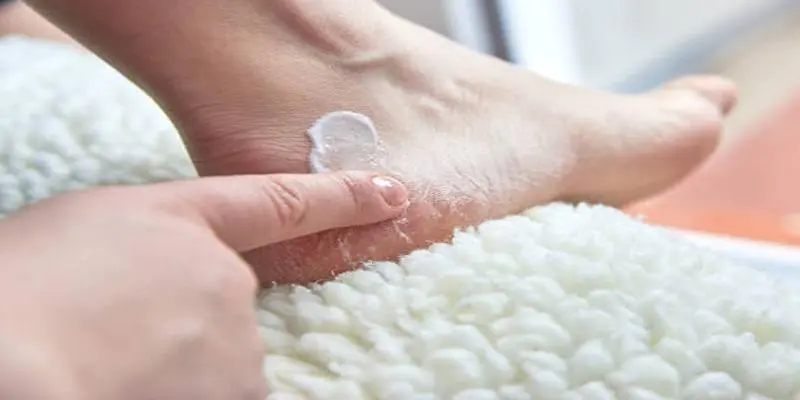
Experiencing dry and rough skin on your hands and feet is not just an aesthetic concern; it can lead to discomfort and pain, particularly during the colder seasons or for individuals with naturally dry skin. Identifying effective solutions to maintain the health and appearance of your skin is essential. This detailed guide offers a variety of approaches to address this prevalent issue, from moisturizing your skin to utilizing natural home treatments. By adhering to these strategies, you can achieve softer and smoother skin on your limbs, enhancing both comfort and self-assurance. Maintain Adequate Hydration To combat dry, rough skin, it's crucial to maintain sufficient hydration, both internally and topically. Here are some suggestions to help you stay hydrated: Drink Plenty of Water Ensure that you consume an ample amount of water each day to hydrate your body. Internal hydration is vital for skin health. Water helps maintain skin flexibility, smoothness, and radiance by supporting its elasticity and natural functions. Adequate hydration can prevent dryness, flaking, and dullness, resulting in a healthier skin tone. Apply Moisturizers Regularly applying a high-quality moisturizer to your hands and feet is crucial for skin health. Moisturizers help retain hydration and aid in repairing the skin's protective barrier, creating a layer that prevents moisture loss. This practice can prevent dryness, cracks, and irritation, promoting overall skin health. Make moisturizing a daily habit to keep your hands and feet nourished and supple. Utilize Humidifiers Utilizing a humidifier in your home, especially during dry seasons like winter, can help maintain a comfortable and skin-friendly humidity level indoors. Humidifiers release water vapor into the air, which can alleviate dry skin, prevent respiratory issues, and maintain optimal moisture levels. Regular use of a humidifier can improve overall well-being by promoting healthier skin and easier breathing, especially in arid climates or during colder months. Practice Gentle Exfoliation Exfoliation is essential for removing dead skin cells and promoting the growth of new, healthy skin. It's vital for achieving smooth and soft skin on your hands and feet. Soft Loofah or Brush: Gently exfoliate your skin with a soft loofah or brush using circular motions to remove dead skin without causing irritation. Homemade Scrubs: A mixture of sugar or salt with olive oil can serve as an effective, natural exfoliating scrub. Chemical Exfoliants: Products containing alpha-hydroxy acids (AHAs) or beta-hydroxy acids (BHAs) can help exfoliate the skin more deeply but gently. Consistency and Care: Regular exfoliation is important, but overdoing it can lead to skin damage. Intensive Hydration Treatments Intensive hydration treatments, such as overnight masks or heavy creams, are crucial for healing dry, cracked skin. These products often contain ingredients like hyaluronic acid, glycerin, and ceramides, which are designed to lock in moisture and promote skin repair while you sleep. Applying these treatments to your feet and hands before bed and covering them with cotton gloves or socks can enhance absorption and effectiveness, leading to smoother, more supple skin. Incorporating oils like coconut, olive, or almond into your skincare routine can provide an extra hydration boost. These natural oils are rich in vitamins and fatty acids, which are essential for maintaining the skin's barrier and preventing moisture loss. Regular application after showering can significantly improve skin texture and elasticity. Daily Preventive Measures To strengthen your daily preventive care routine against dry, cracked skin, consider these habits: Avoid Hot Water Baths: Extremely hot water can strip the skin of its natural oils, worsening dryness. Opt

Read more
The Global Influence on Beauty: How Cultural Skincare Practices Define Modern Trends

While the quest for beautiful skin is a global phenomenon, the approaches and ideologies differ greatly from one culture to another. This piece delves into the ways in which time-honored practices from across the world are influencing the contemporary beauty scene. Asia: Pioneers in Skincare Innovation and Aesthetics Nations in Asia, such as Japan, South Korea, and China, have led the way in skincare advancements. They emphasize various skincare elements, which have propelled the international popularity of "K-beauty" and "J-beauty". South Korea's Multi-Step Regimen: The South Korean skincare regimen, typically involving 10 steps, is more than a trend—it's a lifestyle. It involves the application of products like essences and serums to achieve deep hydration and specific treatments. The emphasis on hydration is based on the belief that it is crucial for preserving youthful skin. Japan's Streamlined Approach: Japanese skincare focuses on simplicity and high-quality ingredients. Centuries-old ingredients such as rice bran and green tea are used to illuminate and soothe the skin. Sun protection is also a key aspect of Japanese skincare, reflecting a cultural dedication to maintaining an even skin tone. China's Herbal Knowledge: Traditional Chinese Medicine (TCM) has a lengthy history of influencing skincare. Ingredients like ginseng and pearl powder are believed to balance the body's energy and enhance skin luminosity. TCM also underscores the link between overall health and skin health, advocating for diets and teas that benefit the skin. These Asian practices have not only transformed their domestic beauty sectors but also introduced global innovations such as sheet masks, cushion compacts, and fermented ingredients. Africa: Celebrating Natural Resources and Shared Wisdom African skincare traditions are grounded in natural ingredients and collective knowledge. Each region boasts unique practices that respect the wealth of the land. Morocco's Argan Oil: Known as "liquid gold," argan oil has been utilized by Berber women for centuries to moisturize and protect their skin and hair. Rich in vitamin E and fatty acids, this oil has become a worldwide skincare essential. West Africa's Shea Butter: Shea butter, extracted from the nuts of the shea tree, is a mainstay of West African skincare. Its moisturizing and anti-inflammatory properties make it perfect for treating dry skin and other skin conditions. Ethiopia's Coffee Scrubs: Coffee is a popular exfoliant in Ethiopia. When combined with oils or honey, coffee grounds are used to exfoliate and improve circulation, resulting in smooth and radiant skin. African skincare traditions underscore the significance of sustainability and community, with many practices being passed down through generations, preserving cultural heritage and the environment. Europe: A Blend of Timeless Elegance and Scientific Progress Europe boasts a rich skincare history, merging timeless elegance with scientific advancements. From France's luxurious creams to the Mediterranean's natural remedies, European beauty traditions are as varied as the continent itself. French Pharmacy Staples: French skincare is famous for its luxury and efficacy. Brands like La Roche-Posay and Avène have popularized thermal spring water, which is abundant in minerals and soothing properties. The French also prioritize gentle, pH-balanced cleansers and rich moisturizers. Mediterranean Olive Oil: Olive oil has been used for centuries in countries like Greece and Italy as a moisturizer and cleanser. Its antioxidants and fatty acids protect the skin from environmental damage and maintain skin elasticity. Nordic Cold-Weather Strategies: In Scandinavia, where harsh winters can impact the skin, ingredients like lingonberries, birch sap, and seaweed are used to hydrate and protect. The Nordic approach emphasizes simplicity and

Read more
Diving into the Future of Aesthetics: The Role of Cutting-Edge Skincare Innovations

The ever-evolving landscape of beauty has been revolutionized by technological advancements that have introduced a new era of skincare practices. Beyond the conventional focus on hydration, cleansing, and sun protection, innovative techniques are now offering more precise, potent, and scientifically-backed solutions. The fusion of AI, anti-aging innovations, and at-home devices illustrates how technology is making customized, premium skincare accessible to all. This article explores the technological shifts that are transforming the beauty industry and highlights the most groundbreaking advancements in skincare. 1. Personalized Skincare: The Intersection of AI and Skin Science The incorporation of artificial intelligence (AI) and data analysis has marked a significant advancement in modern skincare, shifting from a one-size-fits-all approach to one that is tailored to individual skin types and needs. 1.1 AI-Powered Skin Analysis Several skincare brands have developed AI-driven tools that assess skin health through smartphone photos or comprehensive consultations. These platforms consider factors such as hydration levels, skin tone, wrinkles, and pigmentation, offering personalized product and routine recommendations to cater to specific skin conditions. Apps like SkinVision and Shiseido’s Skincare Advisor use AI to detect early signs of skin damage and aging, suggesting product choices that align with the analysis. These customized solutions allow users to achieve better results by accurately addressing specific skin concerns. 1.2 Smart Skincare Devices The emergence of smart skincare devices in recent years has allowed consumers to customize their routines with the aid of technology. Devices such as facial cleansing brushes, LED masks, and ultrasonic tools now come with intelligent features, increasing their effectiveness. Cleansing Brushes: Companies like Clarisonic and Foreo have created facial brushes that use sonic technology for deep cleansing, removing dirt, oil, and makeup, and improving blood circulation. Some devices even offer adjustable settings to suit different skin types. LED Light Therapy Masks: LED light therapy, which uses different wavelengths to address skin concerns, has become a popular at-home treatment. Red light promotes collagen production, while blue light targets acne. Smart LED masks like the Dr. Dennis Gross mask enable users to adjust settings and treatment duration for a more tailored experience. Ultrasonic Skin Devices: Ultrasonic devices enhance the absorption of skincare products by penetrating deeper into the skin. Brands like NuFace use microcurrent technology to tighten and lift the skin, providing at-home skin firming solutions. These smart devices use data to optimize your beauty routine, ensuring you get the most out of your skincare products. 2. Anti-Aging Breakthroughs: Redefining Skin Youthfulness The quest for youthful, luminous skin has led to a significant focus on anti-aging solutions, with technology playing a pivotal role. Advanced skincare technologies now enable more effective, non-invasive treatments that combat wrinkles, sagging, and other signs of aging without the need for surgery. 2.1 Microneedling and Dermarolling Microneedling, or dermarolling, creates minor skin injuries to stimulate collagen production and improve the appearance of fine lines, wrinkles, and scars. Devices like Dermapen and home rollers like GloPRO allow individuals to perform microneedling treatments at home. This method encourages the skin's natural healing processes and increases collagen and elastin production, maintaining youthful firmness. While professional treatments offer more dramatic results, home devices are becoming increasingly effective and popular for those looking to rejuvenate their skin. 2.2 Radiofrequency (RF) Technology Radiofrequency treatments use electromagnetic energy to stimulate collagen production and tighten the skin. RF technology, featured in devices like Thermage and Exilis, has become a sought-after solution for skin tightening, wrinkle reduction, and facial and body contouring. Home RF devices from Foreo and

Read more
Embracing Green Initiatives in Fashion and Beauty: A Move Towards Environmentally Conscious Practices

Sustainability has emerged as a critical issue in the realms of fashion and beauty, with these sectors actively seeking ways to minimize their ecological footprint. There is a growing inclination towards practices that are more in tune with the environment, such as utilizing sustainable materials and adopting greener packaging solutions. This evolution is propelled by a consumer base that is becoming increasingly aware of ethical considerations, calling for greater transparency and innovation from these industries as they strive for a more sustainable future. Eco-Conscious Packaging in the Beauty Sector The beauty sector is witnessing a transformative shift towards packaging that is more environmentally responsible. Industry leaders are increasingly eschewing single-use plastics in favor of recyclable or biodegradable materials. Pioneers like Lush are setting an example by introducing solid shampoo bars that eliminate the need for packaging. Additionally, there is a surge in interest for refillable packaging, which promotes the reuse of containers and helps to cut down on waste. Sustainable Practices in Fashion The fashion industry is embracing the concept of slow fashion, advocating for a more thoughtful approach to acquiring clothing. This ideology encourages consumers to invest in fewer, higher-quality garments that are built to endure, rather than succumbing to the disposable culture of fast fashion. Brands such as Patagonia and Stella McCartney are at the forefront, utilizing organic materials, recycling textiles, and upholding ethical labor standards. Consumers are also turning to pre-owned clothing, thrift shopping, and clothing rentals as environmentally friendly alternatives. Clean Beauty: Safe and Non-Toxic Skincare The clean beauty movement is gaining traction in the skincare sector, with consumers demanding products devoid of harmful chemicals. The industry is responding by prioritizing natural, plant-derived ingredients that are healthier for both individuals and the environment. This movement is spurring innovation in the development of products that are not only effective but also sustainable, such as biodegradable makeup removers and refillable skincare packaging. Conclusion The beauty sector is steering towards a more sustainable trajectory. With the emphasis on sustainability growing stronger, both fashion and skincare brands are incorporating eco-friendly packaging, sustainable materials, and non-toxic products into their offerings. This steadfast dedication to ethical and eco-friendly practices is redefining the industry, ensuring that beauty is not just an aesthetic concept, but also a sustainable one for future generations.

Read more