Aldi to cut up to 350 jobs at UK headquarters as cost pressures increase

Aldi, the renowned discount grocer, is poised to eliminate up to 350 positions at its UK head office in Atherstone as it grapples with mounting costs.

Reports indicate that various roles within the buying department, spanning non-food, finance and certain back-office operations will be impacted, as reported by City AM.

This move sees Aldi join the ranks of Tesco, Morrisons and Sainsbury's, all of whom have announced job cuts following the budget revelations last October. The heightened fiscal demands on retailers due to increased taxation on staff wages are a key contributor.

In a stark warning issued earlier this month, a consortium of retailers, including heavyweight names Tesco and Marks & Spencer, alerted the Treasury to the "perfect storm" of escalating expenses facing the sector.

Represented by the Retail Jobs Alliance (RJA), they prognosticated the loss of 300,000 retail positions by the year 2030, compounded by factors such as a more substantial national insurance obligation, a novel recycling tax, and elevated business rates.

In a trend indicative of the sector's distress, last month Sainsbury's declared its intent to shut down all in-store cafes and shed 3,000 jobs. Similarly, Tesco unveiled plans to cull 400 jobs in a bid to streamline operations.

Not to be outdone, Morrisons too signalled a significant reduction in their workforce, targeting over 200 jobs within its retail people team for termination.

These measures are part of a broader initiative towards drastic cost-saving, in response to what CEO Rami Baitiéh termed an "avalanche of costs."

With retail vacancies dwindling by nearly half over the past year and the sector experiencing a loss of approximately 225,000 jobs from 2019 to 2025, as reported by the ONS, there's little doubt that the industry is under extreme duress.

This has spurred an accelerated shift towards automation, where advancing technology offers both power and cost-effectiveness, becoming an increasingly attractive alternative for the beleaguered retail landscape.

However, Aldi's restructuring will not impact any customer-facing roles. A spokesperson for Aldi informed the Grocery Gazette: "To support our continued growth and to offer the best experience to our customers, we are consulting over proposals to restructure some head office teams."

They added, "No customer-facing roles are affected, and no final decisions will be made until the consultation process is complete."

Asos shares plunge as investors 'lose confidence' in retailer's turnaround plan

Asos shares have plummeted over 8% in early trading, exacerbating losses accumulated over several months as investors' faith in the retailer's recovery strategy has dwindled. The e-commerce company's share price has fallen by a third in the past month and has halved since the start of the year, with a 15% decline in the last five days alone, as reported by City AM. Currently, Asos shares are trading at 233p per share, a significant drop from the mid-pandemic high of 5,772p per share in April 2021. Analysts attribute this decline to a post-pandemic downturn in the e-commerce sector, which has also impacted fellow retailers boohoo and Pretty Little Thing. "The COVID boom sparked overinvestments across staff, stock and infrastructure that are still being unwound," noted Jeffries analysts Andrew Wade and Grace Gilberg. "That unwind has been in part funded by reclaiming value from customers [via] range, delivery and proposition). The external data... suggests that these changes, coupled with competition, continue to impact demand," they added. Asos reported an operating loss of £331.9m for the year ending September 1, 2024, up £83.4m from a loss of £248.5m in 2023. AJ Bell analyst Dan Coatsworth observed that Asos, like JD Sports, has been affected by a broader slowdown in consumer demand, further contributing to its struggles. "Consumers bored at home during the pandemic merrily spent money but they have since taken their foot off the pedal as it looked like interest rates would stay higher for longer," Coatsworth observed. Earlier this year, analysts from Panmure Liberum suggested that Asos "will struggle to turn around its declining sales trend this year... in the current demand environment." At the beginning of the year, Panmure warned investors about Asos, labelling it their least-preferred stock for 2025. "Multiple inventory write-offs, a refinancing, an equity raise, and sale of a key asset later, Asos is seeing few signs of sales declines relenting and still finds itself on an unsure path," stated Panmure analyst Anubhav Malhotra. He also noted that "Its competitive position worldwide has been eroded due to improved multi-brand online propositions from the likes of NEXT, M&S [and] JD Sports, competition from China, and pulling back on the consumer offering in international markets." "It appears the identity of the Asos brand isn't as pronounced and distinct as was previously perceived."

Read more
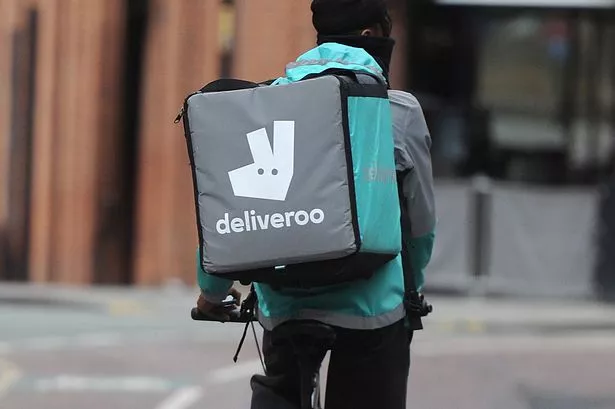
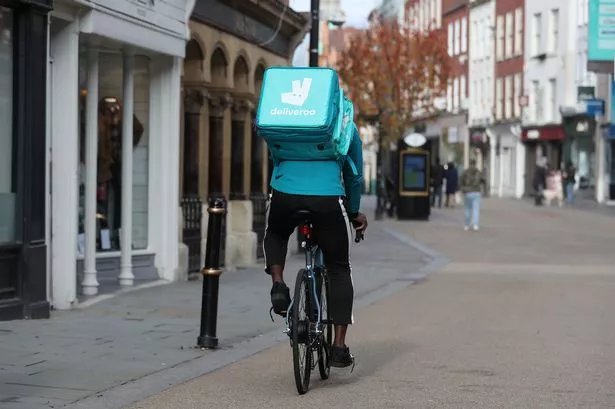
Deliveroo called 'underappreciated' after quitting Hong Kong as rivals 'muscle it out'

London brokerage firm Panmure Liberum has hailed Deliveroo as "underappreciated" following its strategic withdrawal from the Hong Kong market. The firm downplayed concerns that the takeaway behemoth might be ousted from other markets by wealthier rivals, labelling such worries as mere "noise". This morning, Deliveroo disclosed its departure from Hong Kong, offloading some assets to Foodpanda and winding down others, as reported by City AM. The London-traded delivery service explained that persisting in Hong Kong "would not serve shareholders' best interests" Panmure Liberum analysts believe that Deliveroo's financial performance will see a positive impact from this move: "Both earnings before interest, tax, depreciation and amortisation (EBITDA) and group GTV growth [revenue] are set to benefit from this market exit," they commented. "[We think] Deliveroo can generate a level of cash flow over the long-term that is currently underappreciated by the market," Panmure further stated. While acknowledging the narrative that Deliveroo could be forced out of smaller markets by larger, better-funded competitors, analysts insisted that such fears should be considered "noise around the investment case." Keeta, an aggressive on-demand delivery titan from China known for its price-cutting tactics, entered the Hong Kong scene in May 2023 and swiftly dominated order volumes by the following May. Data from Measurable AI indicates that by January 2025, Keeta had captured a commanding 55.2 per cent market share. Analysts have noted: "With Hong Kong one of the most discount sensitive markets in Deliveroo's portfolio, it's clear that Meituan's Keeta has been able to muscle it out of the market through discount spend." In 2024, Hong Kong accounted for five per cent of Deliveroo's revenue and negatively impacted international revenue growth by five percentage points. Deliveroo reported a six per cent rise in revenue in the fourth quarter of 2024, aligning with its projected growth of between five and nine per cent.

Read more
John Lewis scraps staff bonus for third year in a row despite tripling profit

Despite nearly tripling its profit, the John Lewis Partnership has decided to forgo its staff bonus for the third consecutive year. The company, which owns both John Lewis and Waitrose, informed markets that its pre-tax profit surged from £42m to £126m over the 52 weeks to 25 January, as reported by City AM. Total sales increased by three per cent year on year, rising from £12.4bn to £12.8bn, while the firm's operating profit margin improved by 0.9 percentage points to two per cent. John Lewis revealed plans to "step up" its transformation plan this year, supported by a self-funded investment of £600m. This will encompass "store refurbishments and openings, technology upgrades, and supply chain modernisation." The company also intends to invest £114m in staff pay. These two investments mean its annual bonus will be scrapped this year-for the third year in a row. At Waitrose, sales grew 4.4 per cent to £8bn and volumes were up 2.6 per cent. Adjusted operating profit was £227m, up £122m year on year. Sales at John Lewis remained flat at £4.8bn, while adjusted operating profit was £45m. "These are solid results... we have made good progress," Chair of JLP Jason Tarry said. "Looking forward, I see significant opportunity for growth from both our Waitrose and John Lewis brands." Chairman designate Jason Tarry stated: "Our focus will be on enhancing what makes these brands truly special for our customers. This will involve considerable catch-up investment in our stores and supply chain, underpinned by a strong focus on the core elements of great retail, delivered by our brilliant Partners." "I am confident with the transformation momentum in the Partnership, we remain well placed to drive further growth in the year ahead and over the longer term," he continued. Chief Executive Nish Kankiwala, who is set to leave this year after a two-year tenure, commented, "both brands are showing momentum." Kankiwala also stated, "Tripling our profit is a significant testament to the progress of our transformation – focused on delighting customers while continuing to deliver efficiency improvements, thereby laying the foundations for long-term sustainable growth." Julie Palmer, partner at Begbies Traynor, called the results "encouraging." "However, there remains a long road ahead if the retailer is to win back the market share it lost to M&S and other rivals in the battle for Middle England's consumers," she added. "New Chair Jason Tarry is certainly sounding the right notes. The opening of new Waitrose stores, the reintroduction of John Lewis' 'Never Knowingly Undersold' guarantee, and an inflation-beating £114m investment into staff pay, should all bode well for the partnership.

Read more
DFS upgrades profit expectations as credit deals and new products spur demand

Cost savings, interest free credit options and changes to product ranges have helped furniture retailer DFS to upgrade full year profit expectations. New interim results for the Doncaster-based chain, which has about 115 stores across the UK and Ireland, show reported pre-tax profits leapt from £15.8m in the 26 weeks to the end of December 2024, compared with just £900,000 in the same period of 2023. Underlying pre-tax profit was £17m, up from £8.2m the year before. DFS made the gains despite revenue falling 0.1% during the period to £504.5m, which was due to use of interest free credit offers to entice customers. Gross sales were up 1.4% to £675.6m. Bosses said product innovation and partnerships with brands such as La-Z-boy had pleased customers and range changes across the firm's Sofology brand - acquired in 2017 - had driven higher order volumes. Order intake growth was 10.1% in a market said to be in slight decline. Meanwhile cost saving efforts meant the business is on track to make £50m annualised savings by its 2026 financial year. Tim Stacey, DFS group CEO, said falling interest rates will reduce interest free credit costs, helping the firm on its way towards its gross margin target and pre-pandemic level of 58%. He also said falling interest rates would help demand - which is about 20% below pre-pandemic levels - to recover thanks to more house sales. The performance means DFS has upgraded expectations of profit before tax and brand amortisation to between £25m and £29m, providing there is no further supply chain disruption of the type experienced in the Red Sea. Mr Stacey said: "Our improved profit performance in the first half is testament to the strength of our customer proposition, the dedication of our colleagues and our collective focus on operational excellence, evidenced through increased market shares and customer satisfaction scores.

Read more
Shoe retailer Office doubles profit to over £100m as it creates hundreds of jobs

The group that operates shoe retailer Office has reported a significant hike in profits, surpassing £100m as it continued to expand with new store openings and created numerous jobs. In the year leading to 30 June, 2024, the business— which also owns Offspring— declared a substantial pre-tax profit of £102.4m, as reported by City AM. This announcement marks considerable growth from the previous financial year's pre-tax profit of £47.7m. Office has witnessed a consistent profit increase since recording a pre-tax loss of £131.9m in June 2020, followed by a loss of £114m the preceding year. According to freshly submitted records at Companies House, the group saw an upsurge in revenue from £265.3m to £294.3m. By the close of the financial term, the group was running a total of 75 stores, an uptick from 70, as well as 11 concessions throughout the UK and Republic of Ireland. Furthermore, the average headcount in the group rose from 1,617 to 1,830 employees over the year. With an ambitious eye on further expanding its retail presence, Office has stepped up plans for opening additional stores. The board, in a statement, noted: "Trading conditions were much improved in the period under review." The board observed, "Although still negative, consumer confidence has improved steadily since the start of the period." They also commented on the ongoing fiscal pressures, stating: "However, consumer spending remained under pressure as a result of the fall in real disposable incomes that the UK has experienced since late 2021 combined with relatively high interest rates and modest economic growth." Despite facing macroeconomic headwinds, the board highlighted the robust performance of their product category, concluding that "Despite the macro challenges, the branded fashion footwear sold by Office proved to be a resilient category and traded well throughout the period. "The group continued to invest in its new store development and remodelling programme throughout the period, adding eight new stores to the portfolio, closing three and renovating, relocating and extending three further stores. "The investment in stores has been a success as they have exceeded the group's trading expectations and capital expenditure investment criteria." Regarding its future prospects, Office stated: "Economic growth forecasts for the UK have been raised for 2025, with the retail sector expected to experience tailwinds from improving sentiment, age increases again outpacing inflation, the prospect of further interest rate relief and the sustained low inflation environment. "Office will continue to leverage its strong relationships with the world's leading footwear brands, its loyal customer base across the Office and Offspring brands and ongoing investment in digital marketing. "Growth in the year ahead will be driven by a strong online presence and the expansion of the Office store portfolio through new store openings and the remodelling and extension of existing stores in strategic retail locations." Office was founded in 1981 and was acquired at the end of 2015 by South African clothing retailer Truworths. The latest accounts for Office come after City AM reported in November 2024 that rival Schuh had created almost 400 jobs in its latest financial year to push its headcount past where it was before the Covid-19 pandemic struck. The turnover of the footwear retailer, headquartered in Scotland, also saw an increase from £354.4m to £380.8m, while its pre-tax profit leapt from £13.4m to £21m. In May 2024, City AM reported that despite its revenue increasing to nearly £1bn during the year, Clarks suffered a loss of almost £40m in 2023. The historic company, based in Somerset, reported a pre-tax loss of £39.8m after making a pre-tax profit of £35.9m in the 48 weeks leading up to the end of 2022.

Read more
Shein confirms plans for huge stock market float - and could pick London

Shein, the fast fashion behemoth, has confirmed its intentions to pursue an initial public offering (IPO), with London being a potential location for its listing. The company's chief executive, Donald Tang, spoke to The Times about the desire to go public as a means to bolster "accountability and transparency." While Shein had not previously set a firm date for its IPO, it is understood that the company engaged with the Financial Conduct Authority (FCA) last summer, amidst complications surrounding a US listing, as reported by City AM. Tang declined to provide details on the timing or expected valuation of the IPO but stated that Shein would list "whenever it's appropriate." Founded in 2012 in China and now headquartered in Singapore, Shein has been under fire for its environmental footprint and labour conditions. However, Tang defended the company, asserting that Shein "democratises" fashion and adheres to local regulations while maintaining low inventory levels to minimise waste. Acknowledging the UK as one of its top markets, Tang praised British regulators for their impartial approach to regulation, distinct from political influence. Shein has also joined the Confederation of British Industry (CBI), alongside major players like Shell and AstraZeneca, to reinforce its commitment to the UK market. This news of a possible London IPO comes at a time when the UK capital is facing challenges in attracting significant listings, with several companies preferring the New York Stock Exchange over the London Stock Exchange, including names such as Flutter and Arm. A potential Shein initial public offering (IPO) could significantly bolster London's financial sector. The company, a leader in fast fashion, was valued at a remarkable $66bn (£51.05bn) in 2023 and has been navigating intensifying competition from rivals like Temu. Initially eyeing a New York IPO in 2024, Temu changed course to London after failing to secure the necessary approvals from US regulators. Despite whispers of a near 40 per cent plummet in 2024 net profit, company spokesperson Tang firmly dismissed such rumours, asserting that growth metrics have continued to be robust. Shein's trajectory might still be steered by shifts in US policy; for instance, former President Donald Trump's proposal to impose new limits on tariff-free imports from China could affect the firm's principal market.

Read more
High Street shops, pubs and restaurants face £1bn tax bill from April

Shops, restaurants and pubs across England are facing an extra £1 billion in taxes when a discount is cut next month, adding to a “tsunami” of rising costs hurtling toward the sector, according to new analysis. Businesses in London will be hit hardest by changes, tax and software firm Ryan found. Firms in the retail, leisure and hospitality sector are facing increased costs in April when a discount on business rates will be reduced from 75% to 40%. The changes were announced in last year’s autumn Budget, with the Government committing to keeping the discount scheme for the next financial year but cutting the level of relief. Each business will still have a maximum discount of £110,000. Ryan’s analysis found that the reduced discount will raise an extra £1.03 billion from firms across England over the 2025-2026 tax year. Nearly a third of the extra revenue will come from businesses in London, who collectively are facing an additional £309.7 million in business rates. This is followed by an extra £157.9 million from businesses in the South East who are facing a bigger bill, and £110.5 million from firms in the North West. Alex Probyn, a property tax expert at Ryan, told the PA news agency that it “comes on top of a tsunami of other rising costs, making it a complex and challenging environment” for businesses to operate in. From April, national insurance contributions will also rise for some businesses, while they will also have to pay employees a higher national living wage. The Government has said extra revenues raised from higher taxes on businesses will help fill a gap in the UK’s public finances and be plugged into things like infrastructure and the public sector. It pledged in the Budget to introduce permanently lower business rates for smaller retail, hospitality and leisure firms from 2026. The Government has also said that some 865,000 employers will not pay any national insurance in the year ahead because of the employment allowance rising from £5,000 to £10,500. But Mr Probyn said the changes will “disproportionately affect small and independent businesses across sectors already struggling”.

Read more
Deliveroo swings to first full year profit as orders jump in UK and Ireland

A surge in takeaway and grocery orders across the UK and Ireland helped Deliveroo turn a profit last year. The food delivery firm informed markets this morning that its gross merchandise value (GTV) rose by five per cent to £7.4bn for the year ending December 31, up from £7bn the previous year, as reported by City AM. The company reported an annual profit of £2.9m, a significant improvement from a loss of £31.8m the year before. Revenue increased two per cent year on year, from £2.03bn to £2.07bn, while gross profit climbed six per cent to £767m. Deliveroo also saw a two per cent growth in its customer base during the year, with average order frequency increasing across all groups and improved retention throughout the year. "The robust results we've announced today, with our first full year profit and positive free cash flow as well as GTV growth across our verticals, demonstrate that our strategy is working," said Will Shu, Founder and CEO of Deliveroo. "Whilst the consumer environment remains uncertain, I am confident that we can continue to deliver growth by focusing on the levers in our control: supporting our restaurant partners to meet untapped consumer demand around new occasions, expanding our grocery and retail offering, and continuously improving our CVP [consumer value proposition]." The company aims for high-single GTV growth in 2025 and expects adjusted earnings before interest, tax, depreciation and amortisation (EBITDA) to be in the range of £170m-190m. In the medium term, it will target mid-teens percentage growth per year in GTV, and an EBITDA margin of four per cent. Deliveroo also announced its exit from the Hong Kong market on March 10, which led a London broker to label the brand "underappreciated". "Both earnings before interest, tax, depreciation and amortisation (EBITDA) and group GTV growth [revenue] are set to benefit from this market exit," Panmure Liberum analysts said.

Read more
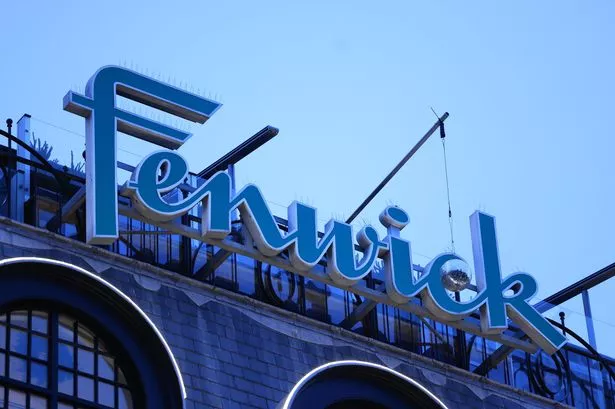
Fenwick says it has 'no plans for store closures' as it calls in restructuring experts

Department store retailer Fenwick has confirmed that it has no intentions of closing stores, despite restructuring experts assisting the business. The Newcastle-based firm has experienced losses in recent years and is currently changing the hosting of its website as part of cost-cutting measures. Consultancy firm AlixPartners is working with the chain, which now has eight stores across the country. Fenwick has been operating at a loss since 2019 and sold its Bond Street, London store in a £430m deal in 2022. Last year, management acknowledged that trading had been difficult due to the cost-of-living crisis - fuelled by inflation and high mortgage costs - and shifts in the retail market. Accounts for Fenwick Limited, covering the year up to January 2024, reveal the business reduced its pre-tax losses from £71.1m to £38.1m. At the same time, operating losses before exceptional items - encompassing property sales - decreased from £46.6m to £45.2m. Company executives have talked of their attempts to attract both new and existing patrons to the chain's sophisticated, multi-brand offerings throughout the UK. They have discussed strategies aimed at enhancing efficiency in their shops and supply chain, as well as returning to profit through a commitment to what they referred to as "retail basics" and protecting product margins, reports Chronicle Live. Following the closure and sale of its Bond Street location, Fenwick operates its flagship establishment in Newcastle, along with other sites in Kingston, Brent Cross, Colchester, Canterbury, Tunbridge Wells, Bracknell, and York. The business has focused on distinguishing itself from its competitors by investing in customer service and hospitality experiences. In Newcastle, Fenwick’s "masterplan" has led to collaborations with North East staples such as Greggs and Barbour, plus Michelin-starred eatery Hyem, and the Mother Mercy cocktail bar. The business has also expanded its private-label merchandise dubbed Fenwick at Home products, alongside its own restaurant ventures Fuego and Mason and Rye. Last year, in Newcastle, it opened what it claims is the UK’s largest beauty hall outside London last year. Notably, Fenwick was criticised for its delayed response to the surge in online retail, initiating its web presence as late as 2019. Despite predictions for greater growth online, the company maintains that its brick-and-mortar outlets will continue to reign supreme in sales for the foreseeable future. After an unsuccessful attempt to bring former Harrods senior executive Nigel Blow on board last year, the reins of Fenwick have been taken up by family members Mia Fenwick, serving as executive deputy chairman, and Hugo Fenwick, in the role of retail managing director. It is believed that under their stewardship, the company has witnessed its most favourable six-month trading period in the past five years.

Read more
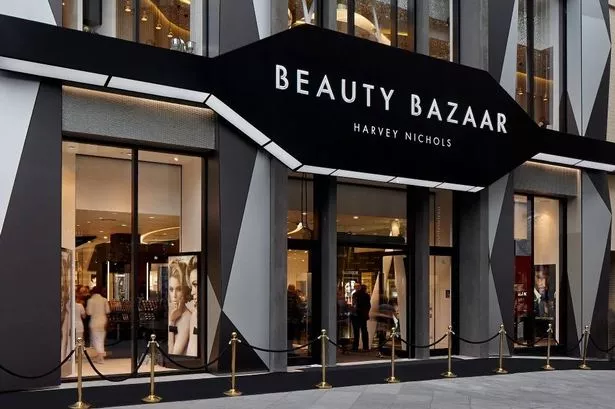
Harvey Nichols to close Beauty Bazaar in Liverpool ONE

Liverpool ONE is set to lose one of its most prominent retailers as Harvey Nichols' Beauty Bazaar is scheduled to close its doors. The store, situated on Manesty's Lane in the city centre, has been in operation since 2012. The Liverpool Echo. reports that staff were informed of the impending closure on Tuesday. A Harvey Nichols spokesperson revealed that the company is focusing on "full category stores" as part of its growth strategy. They stated: "As we implement our strategy to reposition Harvey Nichols for growth, our emphasis is on full category stores within our estate. "We have reviewed our store portfolio and mutually agreed with the Landlord of our Beauty Bazaar location in Liverpool to surrender the lease as we focus on investment into full-category stores. "Unfortunately, this means that our employees in the Liverpool store may be at risk of redundancy. We have entered into a consultation process and are doing everything we can to support those affected by the surrender." A spokesperson from Liverpool ONE said: "Beauty Bazaar Harvey Nichols has made an important contribution to Liverpool ONE's success since opening in 2012. We're committed to bringing the best, in-demand brands to Liverpool ONE and we have well-progressed plans to transform the space that will ensure Liverpool ONE continues to go from the strength-to-strength. We look forward to sharing an update soon." The store is expected to close in mid-April. . The store was among the last to resume operations in Liverpool ONE after the nationwide closure of non-essential stores in March 2020. Unlike other retailers, such as Primark, Zara, and Sports Direct, which reopened in June, Harvey Nichols Beauty Bazaar opted for a phased reopening. Its locations in Knightsbridge, Leeds, Edinburgh, and Manchester reopened between June and August 2020, while the Liverpool store, which features a hair salon, spa, and bar, reopened on September 30, 2020. The three-story Harvey Nichols store in Liverpool ONE offered a range of products and treatments. At its launch in 2012, the store celebrated with a day of pampering, attended by local celebrities and American socialite Olivia Palermo, who cut the ribbon to officially open the store. The decision to open in Liverpool was based on research identifying the city as the UK's second-largest beauty market outside of London. Prior to the store's opening in 2012, Daniela Rinaldi, the retailer's then-group concession and beauty director, stated: "Girls in Liverpool have single-handedly held the banner for glamour. They are groomed within an inch of their lives. They live and breath beauty and this is a thank you to them. "Globally this will be the first time international and premium brands will be housed within such a luxurious environment. It has superseded everyone's expectations and the most used word in this store is 'wow' so it is perfectly in keeping with the name of our fabulous champagne and cocktail bar."

Read more